Your Complete Guide to Electrical Appliance Disposal in Singapore

Your Complete Guide to Electrical Appliance Disposal in Singapore

In the intricate web of modern urban existence, electrical appliance disposal represents one of the most pressing environmental challenges facing Singapore today. Like the complex ecosystems I have spent decades studying, our electronic waste streams form interconnected networks that, when disrupted carelessly, send ripples of consequence throughout our environment. Each discarded refrigerator, television, or washing machine contains within it both peril and promise: toxic substances that threaten our natural world, yet also precious materials waiting to be recovered and reborn.

The Hidden Ecology of Electronic Waste

Within every electrical appliance lies a microscopic universe of metals, plastics, and chemical compounds. Much as a rainforest harbours countless species in delicate balance, these devices contain elements that require careful orchestration in their disposal. Singapore generates approximately 60,000 tonnes of electronic waste annually, a figure that speaks to both our technological advancement and our responsibility to manage its aftermath wisely.

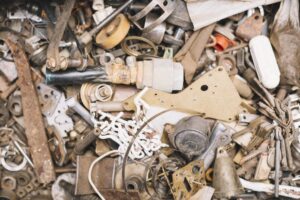
The National Environment Agency has observed that when electronic items are not recycled or disposed of appropriately, they transform into hazardous waste. The substances within them, heavy metals and chemical coolants among others, pose genuine threats to both environmental and human health when released carelessly into our ecosystems.

Singapore’s Regulatory Framework for Responsible Disposal

In recognition of these challenges, Singapore has developed what might be termed an elegant solution to a complex problem. The Resource Sustainability Act, introduced by the Ministry of Sustainability and the Environment, established a regulated e-waste management system that commenced operations in July 2021.

Under this Extended Producer Responsibility framework, as the National Environment Agency states, “producers of regulated electrical and electronic products will be made responsible for the collection and proper treatment of their e-waste.” This represents a fundamental shift in how we conceive of product stewardship, placing accountability where it belongs: with those who introduce these devices into our marketplace.

The regulations specify that retailers of regulated consumer products must “provide free one-for-one take-back services during delivery.” This thoughtful provision means that when you purchase a new refrigerator or television, the retailer bears responsibility for collecting your old unit without charge.
Practical Pathways for Appliance Disposal

For the conscientious resident seeking to dispose of electrical appliances responsibly, Singapore offers several well-organised channels:

In-store Collection Points

Large retailers operating spaces of 300 square metres or more maintain dedicated collection points for electronic waste. These serve as convenient drop-off locations for smaller items such as lamps, batteries, and information technology equipment.

One-for-One Take-Back Services

When purchasing replacement appliances, retailers provide free collection of equivalent old items during delivery. This service proves particularly valuable for bulky items like refrigerators, air conditioners, and washing machines.

Designated E-Waste Bins

Throughout Singapore’s public spaces, shopping centres, and community facilities, specially marked recycling bins accept smaller electronic items. These collection points form nodes in a carefully designed network that channels waste toward licensed recycling facilities.

Scheduled Collection Drives

Community-organised events, typically held quarterly, allow residents to bring larger quantities of electronic waste for proper disposal. These gatherings serve both practical and educational purposes, strengthening communal environmental consciousness.

The Science of Proper Treatment

The fate of properly disposed electrical appliances follows a path both fascinating and essential. Licensed recycling facilities employ sophisticated processes to dismantle these items systematically, separating valuable materials from hazardous components. Precious metals including copper, gold, and silver await recovery. Plastics can be reprocessed. Even refrigerant gases, those ozone-depleting substances, receive controlled treatment rather than escape into our atmosphere.

The National Environment Agency has established ambitious collection targets: 60 per cent recovery for large household appliances and 20 per cent for smaller electronic items. These figures represent not mere bureaucratic goals but scientifically informed thresholds necessary to meaningfully reduce environmental impact.

Alternative Avenues: Reuse and Repair

Before disposal becomes necessary, consider the evolutionary principle of adaptation and continued use. Functional appliances, even if no longer wanted, might serve others well. Various charitable organisations welcome donations of working electronic items. Online platforms facilitate the transfer of usable goods to new owners. This extends the useful life of products, delaying their eventual transformation into waste.

For malfunctioning appliances, repair presents another option. The emerging repair movement in Singapore recognises what nature has always known: that restoration often proves more efficient than replacement. Community repair initiatives offer assistance in salvaging items that might otherwise face premature disposal.

The Broader Implications

Our treatment of electrical appliance disposal serves as a measure of civilisational maturity. Just as natural systems recycle nutrients endlessly through biogeochemical cycles, so too must our urban ecosystems learn to recover and reuse the materials we extract from the Earth. The regulations Singapore has enacted represent recognition of this fundamental principle.

Each properly disposed appliance contributes to a larger transformation: from a linear economy of extraction and disposal toward a circular model of perpetual resource recovery. This shift mirrors the wisdom encoded in natural ecosystems, where waste from one process becomes input for another.

The responsibility for proper electrical appliance disposal rests not with some distant authority but with each of us who participate in this technological society. By choosing appropriate disposal pathways, we acknowledge our place within the larger ecological systems that sustain all life, including our own urban existence.

The Truth About Where Your Rubbish Really Goes

The Truth About Where Your Rubbish Really Goes

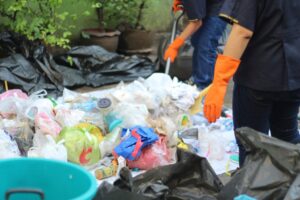
Trash disposal operates as one of Singapore’s most essential yet least examined systems, a vast infrastructure touching every resident multiple times daily yet remaining largely invisible to those it serves. The bin chute in your flat opens to a vertical shaft descending through dozens of floors, collecting refuse from hundreds of households before depositing everything into compactor rooms most residents never see. Understanding how trash moves through Singapore requires looking past the sanitised official accounts to examine the actual mechanics, the real costs, and the uncomfortable truths about a system operating at its limits.

The Official Framework

The National Environment Agency governs trash disposal regulations through the Environmental Public Health Act, which states: “Every person shall ensure that waste is properly stored and disposed of in accordance with prescribed methods.” This mandate creates legal obligations extending beyond simple convenience, establishing disposal as civic duty backed by enforcement and penalties.

Singapore divides waste into distinct categories, each following separate pathways:

  • General waste collected three times weekly from housing estates 
  • Recyclables gathered fortnightly in blue bins 
  • Food waste requiring separate handling in pilot programmes 
  • Hazardous materials demanding specialised disposal procedures 
  • Electronic waste covered under Extended Producer Responsibility schemes

The system appears comprehensive on paper. Implementation reveals complications the official descriptions often minimise.

The Collection Reality

Watch the trash disposal process unfold during early morning hours, and patterns emerge that official statistics obscure. Collection crews, predominantly migrant workers earning modest wages, navigate neighbourhoods following routes mapped to military precision. They operate on schedules most residents never witness, arriving between midnight and dawn when streets remain passable.

The work involves more than driving lorries and emptying bins. Crews manage blocked chutes requiring manual clearing, contaminated recycling bins needing sorting, improperly disposed items, and equipment failures demanding field repairs. These workers constitute the invisible foundation upon which Singapore’s reputation for cleanliness rests.

Where It Actually Goes

Singapore’s trash disposal infrastructure depends entirely on four waste-to-energy incineration plants. These facilities, located at Tuas, Senoko, Tuas South, and Keppel Seghers Tuas, process nearly all the nation’s solid waste. The technology reduces volume by approximately ninety percent whilst generating electricity fed into the national grid.

The process works as follows:

  • Collection lorries transport waste to incineration plants 
  • Refuse burns at temperatures exceeding 1,000 degrees Celsius 
  • Heat generates steam driving turbines producing electricity 
  • Ash residue undergoes further processing 
  • Remaining material travels by barge to Semakau Landfill

Semakau represents the endpoint, the place where Singapore’s consumption ultimately accumulates despite all the intermediate processing. This offshore facility, built by connecting two small islands, provides the only landfill space remaining. Current capacity projections suggest exhaustion around 2035, after which Singapore faces a predicament with no straightforward solution.

The Numbers Tell Stories

Official statistics document Singapore’s rubbish disposal patterns with characteristic thoroughness. Each resident generates approximately 410 kilogrammes of domestic waste annually. Nearly 7.7 million tonnes of solid waste require processing yearly, a figure that continues rising despite government campaigns promoting reduction.

The recycling rate, officially 55 percent, obscures uncomfortable details. Much derives from construction and industrial waste rather than household recycling. Domestic recycling rates remain substantially lower, hovering around 22 percent.

Contamination and Compliance

The trash disposal Singapore system depends on proper waste segregation, yet compliance remains inconsistent. Visit any estate’s recycling bins and the contamination becomes immediately apparent:

  • Food waste mixed with paper recyclables 
  • Non-recyclable plastics placed in designated bins 
  • Liquid-filled containers creating hygiene hazards 
  • Textiles and non-approved items contaminating loads

Contamination forces entire truckloads into incineration rather than recycling, undermining the system’s environmental objectives. The National Environment Agency conducts spot checks and imposes fines, but enforcement covers only a fraction of violations.

The Cost Structure

Singapore subsidises refuse disposal Singapore heavily through general taxation. Residents pay nominal amounts through conservancy charges, but these fees cover only a fraction of actual costs. Collection services, incineration operations, landfill management, and regulatory oversight require substantial public expenditure rarely itemised transparently.

Commercial entities face different calculations. Businesses generating waste beyond residential volumes must contract private waste collectors, paying rates reflecting actual disposal costs without subsidies.

Future Constraints

The Zero Waste Masterplan sets ambitious targets: reducing waste sent to Semakau by thirty percent by 2030. Achieving this requires fundamental changes in behaviour and consumption patterns. The government promotes various initiatives:

  • Extended Producer Responsibility schemes making manufacturers responsible for product disposal 
  • Mandatory reporting for large waste generators 
  • Food waste segregation programmes in selected estates 
  • Public education campaigns promoting waste reduction

These efforts acknowledge that current trash disposal patterns prove unsustainable. The question remains whether initiatives will achieve necessary reductions before Semakau reaches capacity.

The Unspoken Alternative

Singapore has no realistic alternative to its current system. Exporting waste to neighbouring countries carries political complications and environmental concerns. Ocean dumping violates international treaties. Building additional landfills requires land Singapore cannot spare. The only viable path involves reducing waste generation itself, a solution requiring changes in consumption patterns deeply embedded in the culture of prosperity.

Closing

The morning after any collection day, estates across Singapore awaken to empty bins and clear corridors, evidence of systems functioning as designed. Yet beneath this surface efficiency lies a more complicated reality of workers labouring in darkness, incineration plants burning constantly, and a landfill slowly filling despite all reduction efforts. Understanding trash disposal means recognising both the remarkable infrastructure making modern urban life possible and the fundamental unsustainability of patterns that infrastructure currently enables, revealing uncomfortable truths about the endpoint awaiting every society that mistakes efficient trash disposal for actual solutions.

How Professional Magicians Became Essential to Singapore Events

How Professional Magicians Became Essential to Singapore Events

The emergence of the professional magician Singapore relies upon to elevate corporate gatherings, weddings and private celebrations tells us something intriguing about how modern societies create and sustain wonder. In a city-state defined by efficiency, technological sophistication and relentless pragmatism, the persistence and indeed flourishing of an ancient art form built entirely on deliberate deception presents a fascinating paradox. These performers have not merely survived but thrived, transforming themselves from carnival curiosities into essential components of the professional event industry.

The transformation did not happen by accident. It required practitioners to adapt their craft to meet the specific demands of a society that values measurable outcomes, professional reliability and cross-cultural competence. In doing so, they created something distinct from magical performance as practised elsewhere.

The Corporate Dimension

Perhaps nowhere is the professionalisation of magical entertainment more evident than in its adoption by Singapore’s corporate sector. Companies that measure everything from quarterly earnings to employee satisfaction metrics have found room in their budgets for magician singapore whose stock in trade involves making coins disappear and cards materialise in impossible locations. The apparent contradiction dissolves when one examines what these performers actually deliver.

Corporate events, particularly those involving networking or team building, present organisational challenges that traditional entertainment formats struggle to address. A stage show commands attention but does little to facilitate interaction amongst attendees. Background music fills silence without creating engagement. Conference speakers inform but rarely energise. Against these limitations, the roving magician offers something qualitatively different. As industry practitioners note, roving magic serves as an ideal ice breaker for dinner parties and weddings, helping to keep waiting guests entertained whilst making events more memorable.

The format’s effectiveness stems from its inherent interactivity. Unlike passive entertainment consumed from a distance, close-up magic demands participation. Guests must engage, respond, contribute their own hands or personal items to the performance. This enforced interaction amongst strangers serves corporate interests far more effectively than hoping attendees will spontaneously mingle. The magic provides both excuse and structure for social engagement that might otherwise never occur.

Technical Excellence as Market Differentiator

What distinguishes Singapore’s magical practitioners from casual hobbyists becomes apparent when examining their credentials and training. The community maintains notably high technical standards, with many magic performers holding international awards and competition victories. This emphasis on measurable achievement reflects broader Singaporean values whilst serving practical purposes in a competitive market.

For clients selecting entertainment, particularly for high-stakes corporate events or luxury weddings, demonstrated technical excellence provides reassurance. Performance quality becomes predictable rather than uncertain. As professionals in the field emphasise, their delivery mixed with humour and excitement sets the highlight to events, with clients receiving nothing but positive feedback from guests. Such testimonials matter in an industry where reputation directly determines future bookings.

The training infrastructure supporting this technical excellence deserves attention. Courses designed for complete beginners cover core moves and techniques whilst introducing concepts of misdirection, presentation and performance psychology. Significantly, these programmes are led by full-time professionals with practical commercial experience, ensuring students learn not just tricks but the accumulated wisdom of sustained professional practice.

Key skills developed through professional training include:

  • Advanced sleight of hand technique requiring years of practice
  • Psychological understanding of attention and misdirection
  • Audience management across diverse cultural contexts
  • Adaptability to unpredictable performance environments
  • Professional communication and client relationship management

Cultural Navigation in a Diverse Society

Singapore’s multicultural composition creates particular demands for performers seeking broad market appeal. The ability to work effectively across ethnic, linguistic and cultural boundaries separates truly successful practitioners from those with more limited reach. Many established performers emphasise their bilingual capabilities, noting that fluency in both English and Mandarin allows them to connect with diverse audiences and transcend cultural boundaries.

This linguistic versatility extends beyond merely translating patter between languages. Effective cross-cultural performance requires understanding different comedic traditions, varying comfort levels with audience participation and culturally specific references that resonate with some groups whilst meaning nothing to others. Performers who master this navigation secure access to Singapore’s full event market rather than remaining confined to particular demographic segments.

The venues where these skills get deployed reflect Singapore’s position as a global entertainment hub. Practitioners regularly perform at locations such as Resorts World Sentosa, Marina Bay Sands and international hotels hosting guests from dozens of countries. This exposure to international audiences forces continuous refinement whilst building reputations that extend beyond Singapore’s borders.

The Economic Reality

Understanding magical performance in Singapore requires acknowledging its economic foundations. These practitioners operate businesses, not hobbies. They set fees, negotiate contracts, manage schedules and compete for clients. The successful ones treat their craft with the same seriousness that characterises Singapore’s other professional sectors.

The economic model relies on repeat business and referrals. A single successful corporate performance can generate recommendations leading to multiple future bookings. Conversely, a substandard performance damages reputation in ways difficult to repair. This market pressure drives the technical excellence and professional reliability that characterise Singapore’s magical community.

Clients report that performances create lasting impressions, with office colleagues still convinced of genuine magic days or weeks after events. This memorability justifies the investment from a corporate perspective, distinguishing events from forgettable alternatives whilst creating positive associations with hosting organisations.

What This Reveals

The success of professional magical entertainment in Singapore ultimately illuminates how thoroughly modern societies integrate practices we might consider antiquated or frivolous. Rather than dismissing such activities, Singaporean society has instead demanded they professionalise, systematise and demonstrate measurable value. The magicians who thrived in this environment did so by accepting these terms, transforming their ancient art form into something recognisably contemporary.

Whether this represents cultural evolution or the commodification of wonder depends on one’s perspective. What seems beyond dispute is that anyone seeking to book a magician Singapore cultivates will encounter not romantic outsiders but consummate professionals who have mastered the delicate art of making the impossible seem routine, one corporate event at a time.

Automatic Label Systems: The Hidden Truth Behind Every Product

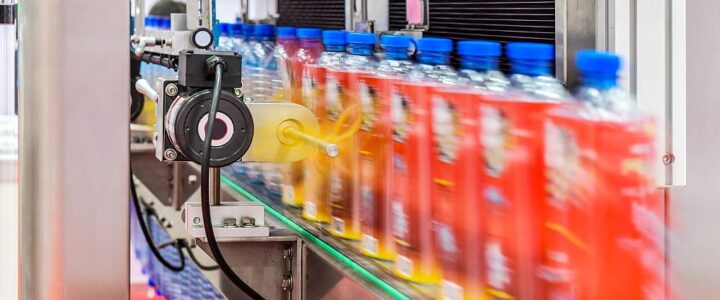
Plastic bottles with orange liquid and blue caps move along a conveyor belt in a beverage bottling plant, with an automatic label applicator and other labeling machinery visible in the foreground.

The automatic label applicator operates in the shadows of consumer consciousness, yet its influence permeates every aspect of modern commerce. Walk through any supermarket aisle, pharmacy, or retail outlet, and you encounter thousands of products bearing labels that were precisely positioned by these mechanical sentinels. Yet few consumers pause to consider the intricate systems that ensure each label adheres exactly where intended, carrying crucial information that shapes purchasing decisions and regulatory compliance.

The Invisible Infrastructure of Commerce

Behind every properly labelled bottle of medicine, every precisely positioned barcode on a food package, and every regulatory compliance sticker on consumer electronics lies a sophisticated network of automatic labelling machinery that forms the backbone of modern manufacturing. These systems represent more than mere convenience, they constitute essential infrastructure that enables global commerce to function at scale.

The modern label application system operates with a precision that borders on the obsessive. Consider the pharmaceutical industry, where a misaligned label could obscure critical dosage information or regulatory warnings. The margin for error approaches zero, demanding equipment that can maintain accuracy across hundreds of thousands of applications whilst adapting to variations in container shapes, sizes, and surface materials.

Regulatory Landscapes and Compliance Imperatives

The regulatory environment surrounding product labelling reveals the critical importance of automatic label applicators in ensuring compliance. In Singapore, authorities mandate comprehensive labelling standards across multiple industries. According to Singapore’s regulatory framework, “all food businesses offering prepacked food for sale in Singapore must comply with the Food Regulations, including the labelling requirements,” whilst medical devices must follow strict protocols where “the label should contain as much information as possible for the user to be able to identify and safely use the product.”

These requirements extend beyond mere information placement. The precision demanded by regulatory bodies necessitates equipment capable of consistent, repeatable performance. A single misaligned label can result in product recalls, regulatory sanctions, or worse, compromised consumer safety.

The Technology Behind Precision

Modern automated labelling equipment incorporates sophisticated technologies that would seem fantastical to manufacturers of previous generations. These systems typically integrate:

  • Vision systems that inspect label placement accuracy in real-time 

  • Servo-driven applicator heads that adjust positioning with micrometre precision 

  • Product detection sensors that trigger labelling sequences at optimal moments 

  • Database integration capabilities that enable variable data printing and tracking 

  • Multi-station configurations that apply multiple labels simultaneously

The orchestration of these technologies creates manufacturing environments where human intervention becomes minimal, yet human oversight remains essential. Each automatic labeller represents a convergence of mechanical engineering, electronics, and software that produces outcomes impossible through manual processes.

Bottles filled with orange soda move along a conveyor belt in a beverage factory production line, passing through an automatic label applicator for precise labeling.

Economic Realities and Competitive Pressures

The economic implications of efficient Label Application Machinery extend far beyond initial capital investments:

  • Productivity gains of 300-500% compared to manual operations 

  • Error reduction of up to 95% in labelling accuracy 

  • Cost savings through reduced labour requirements and waste elimination 

  • Compliance assurance that prevents costly recalls and regulatory sanctions

The pharmaceutical sector exemplifies these economic pressures most acutely, where automatic labelling equipment enables manufacturers to meet stringent regulatory requirements whilst maintaining commercial viability.

Industry Applications and Adaptations

The versatility of contemporary automatic labelling systems manifests across diverse sectors, each demanding specific adaptations:

  • Beverage industry: Handles curved wine bottles, cylindrical cans, and varying container heights with wrap-around precision 
  • Cosmetics: Manages complex geometries and premium finishes requiring zero adhesive residue tolerance 
  • Pharmaceuticals: Operates in sterile environments whilst maintaining regulatory compliance precision 
  • Food packaging: Accommodates temperature-sensitive applications and variable product sizes

The Human Element in Automated Processes

Despite increasing automation, human expertise remains crucial in automatic label application systems. Operators must understand not only mechanical operation but also quality control protocols, material compatibility, and troubleshooting methodologies. The complexity of modern labelling equipment demands skilled technicians capable of maintaining precise calibration and identifying potential issues before they impact production.

Training programmes become strategic investments, as operators learn to interpret diagnostic information, adjust parameters for different products, and maintain the exacting standards required for regulatory compliance.

Emerging Challenges and Technological Evolution

The trajectory of labelling technology faces mounting pressures that demand innovative solutions:

  • Environmental consciousness: Sustainable materials requiring modified application techniques 
  • Smart labelling: QR codes and RFID elements demanding precise positioning accuracy 
  • Industry 4.0 integration: Connectivity requirements transforming standalone equipment into networked components 
  • Regulatory evolution: Changing compliance standards necessitate equipment adaptability

Real-time data collection and predictive maintenance capabilities enable optimization previously impossible in traditional labelling systems.

Environmental and Sustainability Considerations

Environmental consciousness increasingly influences automatic labelling equipment design and operation:

  • Sustainable materials: Accommodation of recyclable substrates and biodegradable label materials 
  • Energy efficiency: Advanced motors and application processes that reduce power consumption 
  • Waste reduction: Precision application that minimises material waste and rework 
  • Water-based adhesives: Adaptation to environmentally friendly bonding solutions

These considerations complicate equipment selection whilst creating opportunities for technological innovation in sustainable manufacturing.

The Integrated Future

The future of automatic label application technology points towards greater integration with upstream and downstream processes. Vision-guided positioning systems, artificial intelligence-driven quality control, and predictive maintenance capabilities promise to further enhance precision and reliability.

The convergence of labelling technology with other packaging processes creates opportunities for comprehensive automation solutions. Modern manufacturing facilities increasingly view labelling equipment not as standalone systems but as integral components of larger production ecosystems that include washing, filling, capping, and packaging operations.

As consumer demands for transparency, traceability, and sustainability intensify, the role of sophisticated labelling equipment becomes more critical. The precision, adaptability, and reliability of these systems will determine which manufacturers can navigate the complex landscape of modern commerce whilst maintaining competitive advantages in an increasingly demanding marketplace that depends entirely upon the reliable performance of the automatic label applicator.


Vertical Lifelines: Singapore’s Elevator Safety Revolution

A person in a suit presses a button on a stainless steel lift in Singapore, selecting their floor from the control panel with numbered buttons.

Every day, millions of journeys begin with the simple press of a button, as choosing the right lift in Singapore becomes a matter of both convenience and safety in this towering metropolis. In a city where architectural ambition reaches skyward and residential blocks stretch beyond the clouds, these mechanical marvels have evolved from luxury conveniences into absolute necessities, carrying hopes, dreams, and daily routines between floors with quiet efficiency.

The Towering Statistics Behind Singapore’s Vertical Transportation

The numbers tell a remarkable story of urban development and engineering precision. Singapore currently operates over 60,000 passenger lifts, forming an intricate network of vertical highways that keeps the island nation moving. This fleet represents more than mere transportation; it embodies the city-state’s commitment to accessibility, safety, and urban planning excellence.

The market continues its upward trajectory, with new installations accounting for 1.24 thousand units in 2024 and expected to reach 1.52 thousand units by 2030, growing at a CAGR of 3.52%. These figures reflect not just construction growth but a deeper understanding of Singapore’s evolving needs as it balances rapid development with meticulous safety standards.

Regulatory Framework: Where Safety Meets Innovation

Singapore’s approach to elevator safety reads like a masterclass in regulatory precision. The Building and Construction Authority (BCA) has crafted a comprehensive framework that places safety at the heart of every vertical journey. Under these stringent guidelines, all lifts must undergo maintenance at least once every month, with comprehensive inspection, testing and examination required at least once annually.

The regulatory landscape encompasses several critical requirements:

•      Permit to Operate (PTO) System: Every lift must display a valid permit, renewed annually, showing the authorised inspector and maintenance contractor details

•      Maintenance Control Plan: Emphasising a lifecycle approach to maintenance with predetermined replacement schedules

•      Immediate Reporting Protocol: Any incidents involving injury or safety component malfunctions must be reported to BCA immediately

•      Monthly Maintenance Mandate: Regular servicing ensures optimal performance and safety compliance

The Human Stories Behind the Machinery

Behind every smooth ascent lies a network of skilled professionals whose expertise ensures passenger safety. The recent implementation of enhanced safety measures follows a sobering reality: Singapore has witnessed several fatal accidents related to lifting operations, highlighting the urgent need for stringent safety measures and comprehensive training programmes.

These incidents serve as powerful reminders that elevator safety extends far beyond mechanical reliability. Each monthly inspection, each annual examination, each carefully calibrated adjustment represents a commitment to protecting the thousands of daily passengers who entrust their safety to these mechanical guardians.

Modernisation: Breathing New Life into Ageing Systems

Time moves relentlessly forward, and with it comes the challenge of maintaining relevance in an increasingly sophisticated world. The BCA strongly recommends that lifts which are more than 15 years old should undergo lift modernisation, addressing the critical issue of component obsolescence that plagues older systems.

The modernisation process involves several key considerations:

•      Technology Integration: Incorporating smart building solutions and connectivity features

•      Component Replacement: Updating obsolete parts to ensure continued reliability and availability

•      Safety Enhancement: Installing modern safety features not found in older installations

•      Energy Efficiency: Implementing eco-friendly solutions that reduce environmental impact

The Economics of Vertical Transportation

The financial implications of lift ownership extend well beyond initial installation costs. Market analysis reveals that the Building and Construction Authority has projected approximately USD 53 billion worth of construction contracts to be awarded in 2025, significantly driving market demand and creating opportunities for both new installations and modernisation projects.

Property owners must consider various factors affecting long-term costs:

•      Installation Timing: Installing during construction proves more economical than retrofit projects

•      Capacity Requirements: Higher capacity systems command premium pricing but offer greater utility

•      Customisation Level: Bespoke solutions increase costs but provide tailored functionality

•      Maintenance Contracts: Long-term service agreements ensure reliability whilst managing operational expenses

Safety Innovations and Future Directions

Singapore’s commitment to elevator safety continues evolving, with artificial intelligence and smart technology integration creating new possibilities for predictive maintenance and enhanced passenger experience. The regulatory framework adapts continuously, ensuring that safety standards keep pace with technological advancement whilst maintaining the rigorous oversight that has become synonymous with Singapore’s approach to urban infrastructure.

Recent developments include enhanced monitoring systems, improved emergency protocols, and more sophisticated inspection methodologies. These advances represent not merely technological progress but a deeper understanding of how vertical transportation systems integrate with modern urban living.

The Path Forward

As Singapore continues its vertical expansion, the relationship between safety, innovation, and accessibility becomes ever more critical. The city-state’s approach to elevator regulation serves as a model for urban centres worldwide, demonstrating that rigorous safety standards need not impede technological advancement or economic growth.

The ongoing evolution of Singapore’s lift infrastructure reflects broader themes of urban development, technological integration, and community responsibility. Each regulation, each inspection, each modernisation project contributes to a larger vision of urban living where safety and convenience converge seamlessly.

From the towering residential blocks of Toa Payoh to the gleaming commercial centres of Marina Bay, Singapore’s lifts continue their silent service, carrying passengers safely between floors whilst embodying the city-state’s unwavering commitment to excellence. In choosing the right elevator system in Singapore, residents and property owners become part of this remarkable story of vertical transportation evolution.

What to Say to Singapore M&E Consultants Effectively

m&e services from Singapore

When communicating with Singapore M&E consultants, focus on clear questions about system integration, timelines, and compliance to build productive discussions.

This approach sets expectations and uncovers insights that refine project outcomes. Effective dialogue starts with preparation, aligning your queries to the consultant’s expertise in mechanical and electrical domains. By framing conversations around specific challenges, you encourage detailed responses that advance your objectives.

Preparing Your Initial Outreach

Begin outreach by outlining project basics, including scale, location, and key milestones, to give consultants context. This groundwork invites targeted feedback right from the start.

Follow up with inquiries about their availability and preferred communication channels. Establishing these details early streamlines future exchanges and respects their schedules. Read more from this post – M&E Services & Facilities Maintenance in Singapore: Complete Guide [2025]

How to Introduce Project Scope Clearly

State the building type and primary functions, such as office or industrial, to highlight relevant mechanical needs. Mention any known constraints like space limitations to prompt realistic suggestions.

Consultants appreciate when you reference similar past projects for comparison. This shows research and helps them tailor advice to your situation.

Questions on Availability and Methods

Ask about their current workload to gauge response times for your inquiries. Inquire if they prefer email, calls, or video meetings for technical discussions.

Clarify expectations for response turnaround, aiming for 24-48 hours on urgent matters. This mutual understanding prevents delays in decision-making.

Discussing Technical Requirements

Dive into mechanical specifications by asking how they approach HVAC sizing for your climate conditions. Probe electrical aspects, like power redundancy, to ensure robust designs.

Encourage explanations of trade-offs between cost and performance in system choices. Their responses reveal problem-solving styles and value alignment.

Inquiring About System Integration Strategies

Request details on coordinating mechanical ducts with electrical conduits in tight spaces. Ask for examples where they resolved conflicts through modeling tools.

This reveals their proficiency in avoiding on-site rework. It also highlights preventive measures that save time and resources.

Exploring Cost-Performance Trade-Offs

Pose scenarios where budget limits force component substitutions, seeking their recommendations. Discuss long-term savings from premium materials versus initial expenses.

Their insights often uncover hidden efficiencies. This conversation builds trust in their financial acumen.

Addressing Compliance and Sustainability

Question how they navigate local building codes for electrical safety and mechanical efficiency. Seek advice on incorporating green features like solar integrations.

Their guidance on certification processes can expedite approvals. This focus ensures projects meet regulatory and environmental benchmarks.

Navigating Regulatory Compliance Discussions

Ask for walkthroughs of submission processes to authorities, including documentation needs. Inquire about common pitfalls in code interpretations.

Consultants typically share checklists that simplify compliance. This exchange equips you with tools for smoother audits.

Incorporating Green Practices

Discuss options for low-energy lighting and water-efficient plumbing in designs. Ask about metrics they use to quantify environmental impact.

These talks often lead to innovative solutions like rainwater harvesting. They position your project as forward-thinking.

Handling Follow-Ups and Feedback

After reviews, ask for clarifications on design revisions and rationales behind changes. Solicit timelines for incorporating your input into updated plans.

This iterative process refines outcomes. It also fosters a collaborative dynamic for ongoing partnerships.

Seeking Clarifications on Revisions

Point to specific alterations and request explanations of benefits or necessities. Ask how these affect overall timelines and budgets.
Consultants value this engagement, as it confirms mutual understanding. It minimizes misunderstandings in later stages.

Providing Constructive Feedback

Offer balanced comments on strengths and areas for adjustment in proposals. Suggest alternatives based on your operational insights.
This feedback loop enhances final deliverables. It demonstrates your active role in the partnership.

Conclusion

Mastering what to say to M&E consultants involves preparing scopes, discussing technical and compliance details, and handling feedback iteratively for optimal results. These strategies lead to efficient, compliant projects that stand the test of time.

For personalized advice on engaging consultants effectively, consult our team as the trusted resource in this area. Their experience can refine your communication approach significantly.

The Role of Contract Manufacturing in the Medical Device Industry

The Role of Contract Manufacturing in the Medical Device Industry

Who would have thought that a childhood obsession with taking apart my brother’s toys would lead me to a career in medical device engineering? Certainly not my parents, who had to replace more remote-controlled cars than they care to remember. But here I am, two decades later, working as a Senior Medical Device Engineer at AMT Pte Ltd, one of the leading medical contract manufacturer in the industry.

My journey took an unexpected turn during my university years when I accidentally super-glued my hand to a prototype artificial heart valve. As I stood there, quite literally attached to my work, I had an epiphany: the medical device industry was where I belonged. It was a field where my knack for dismantling things could be put to good use, and more importantly, where I could make a real difference in people’s lives.

Now, let’s dive into the fascinating world of contract manufacturing of medical devices and explore its crucial role in the healthcare industry.

## The Rise of Contract Manufacturing in the Medical Device Sector

The medical device industry has seen a significant shift towards contract manufacturing in recent years. This trend has been driven by the need for specialisation, cost-effectiveness, and the ability to quickly adapt to market demands. As a medical contract manufacturer, AMT Pte Ltd has been at the forefront of this evolution, providing cutting-edge solutions to medical device companies worldwide.

Contract manufacturing of medical devices offers numerous benefits to both established medical device companies and startups alike. It allows them to focus on their core competencies – research, development, and marketing – while leaving the complex manufacturing process to specialists like us at AMT Pte Ltd.

## Navigating Regulatory Complexities

One of the most challenging aspects of the medical device industry is navigating the complex regulatory landscape. As a medical contract manufacturer, AMT Pte Ltd takes on the responsibility of ensuring that all products meet stringent quality standards and comply with regulations such as ISO 13485, FDA guidelines, and the EU Medical Device Regulation (MDR).

Our team of experts at AMT Pte Ltd stays abreast of the latest regulatory changes, ensuring that our clients’ products are always compliant. This regulatory expertise is a significant value-add that contract manufacturing brings to the table, especially for smaller companies that may not have the resources to maintain an in-house regulatory affairs team.

## Accelerating Time-to-Market

In the fast-paced world of medical devices, getting products to market quickly can make the difference between success and failure. Contract manufacturing of medical devices plays a crucial role in accelerating this process. At AMT Pte Ltd, we have streamlined our manufacturing processes and invested in state-of-the-art equipment to ensure rapid prototyping and efficient production scaling.

I remember a project where we helped a startup bring their innovative wearable insulin pump to market six months ahead of schedule. The look on the CEO’s face when we delivered the first batch of production units was priceless – it reminded me of the time I finally managed to reassemble my brother’s toy car without any leftover parts!

## Enhancing Cost-Effectiveness

Cost-effectiveness is another significant advantage of contract manufacturing in the medical device industry. By partnering with a medical contract manufacturer like AMT Pte Ltd, companies can avoid the substantial capital investments required to set up and maintain their own manufacturing facilities.

Moreover, our expertise in lean manufacturing and process optimisation allows us to produce high-quality medical devices at competitive prices. This cost advantage is particularly crucial in today’s healthcare environment, where there’s increasing pressure to deliver innovative medical solutions at affordable prices.

## Fostering Innovation through Collaboration

One of the most exciting aspects of being a medical contract manufacturer is the opportunity to collaborate with a diverse range of companies, from established industry giants to innovative startups. At AMT Pte Ltd, we’ve had the privilege of working on projects ranging from next-generation surgical robots to smart drug delivery systems.

This collaborative environment fosters innovation. Our engineers often bring insights from one project to another, cross-pollinating ideas across different medical fields. It’s this kind of cross-disciplinary innovation that keeps me excited about coming to work every day (well, that and the challenge of not accidentally gluing myself to anything).

## The Future of Contract Manufacturing in Medical Devices

Looking ahead, the role of contract manufacturing in the medical device industry is set to become even more significant. With the rise of personalised medicine, 3D printing, and AI-powered medical devices, the complexity of manufacturing is increasing exponentially. Companies like AMT Pte Ltd are investing heavily in these emerging technologies to stay ahead of the curve.

As we continue to push the boundaries of what’s possible in medical device manufacturing, I can’t help but feel a sense of pride in the work we do. Every device we manufacture has the potential to improve or even save someone’s life. It’s a responsibility we take very seriously at AMT Pte Ltd, and it’s what drives us to continually innovate and excel in the field of contract manufacturing of medical devices.

So, the next time you come across a medical device, spare a thought for the complex journey it’s been on – from concept to production. And who knows, it might have been manufactured by a team of dedicated engineers who, like me, started their careers by taking apart toys!


A Gateway to Prosperity and Opportunity with Singapore Citizenship

Singapore, a small island nation in Southeast Asia, has become one of the world’s most sought-after destinations for those seeking a new home. With its strong economy, political stability, and high quality of life, Singapore citizenship offers a wealth of benefits to those fortunate enough to obtain it. In this comprehensive guide, we’ll explore what Singapore citizenship entails, its numerous advantages, and the process of becoming a citizen of this dynamic city-state.

What is Singapore Citizenship?

Singapore citizenship is the legal status of being a citizen of the Republic of Singapore. It grants individuals full rights and privileges within the country, as well as responsibilities towards the nation. Singapore citizenship can be acquired through various means, including birth, descent, registration, or naturalization.

How Does Singapore Citizenship Work?

Singapore citizenship operates on a single citizenship model, meaning that the country generally does not allow dual citizenship. When an individual becomes a Singapore citizen, they are expected to renounce any other citizenships they may hold. This policy is designed to ensure full commitment and loyalty to Singapore. Citizens of Singapore are entitled to a Singapore passport, which is one of the most powerful in the world, offering visa-free or visa-on-arrival access to numerous countries. They also have the right to live, work, and own property in Singapore without restrictions.

Benefits of Singapore Citizenship

  1. Economic Opportunities: Singapore boasts a robust economy with low unemployment rates and high salaries. Citizens have access to a wide range of job opportunities across various sectors.
  2. World-Class Education: Singapore’s education system is renowned globally. Citizens enjoy subsidized education from primary school through university, including access to top-ranked institutions.
  3. Healthcare Benefits: Citizens have access to high-quality healthcare at subsidized rates through the national healthcare system, including the Medisave and MediShield Life programs.
  4. Housing Benefits: Singapore citizens are eligible for subsidized public housing through the Housing and Development Board (HDB), making homeownership more accessible.
  5. Central Provident Fund (CPF): This comprehensive social security system helps citizens save for retirement, healthcare, and housing needs through mandatory contributions from both employers and employees.
  6. Political Participation: Citizens have the right to vote in elections and participate fully in the country’s political process.
  7. Strong Passport: The Singapore passport provides excellent global mobility, with visa-free or visa-on-arrival access to numerous countries.
  8. Safety and Security: Singapore is consistently ranked as one of the safest countries in the world, offering peace of mind to its citizens.
  9. Cultural Diversity: Singapore’s multicultural society offers a rich tapestry of experiences, cuisines, and traditions.
  10. Business Opportunities: Citizens have easier access to business loans, grants, and support programs for entrepreneurs.
  11. Tax Benefits: Singapore has a relatively low personal income tax rate and no capital gains tax, making it attractive for wealth accumulation.
  12. National Service Benefits: Male citizens who complete National Service receive various benefits, including healthcare and education subsidies.
  13. Baby Bonus Scheme: Citizens are eligible for financial support when they have children, encouraging family growth.
  14. Public Transportation Subsidy: Citizens enjoy concessionary fares on public transportation.
  15. Legal Protection: Full legal rights and protection under Singapore law, including consular assistance when traveling abroad.

How to Apply for Singapore Citizenship

The process of applying for Singapore citizenship involves several steps:

  1. Eligibility Check: Ensure you meet the basic requirements, which typically include:

– Being at least 21 years old

– Having been a Singapore Permanent Resident (PR) for at least 2 years

– Being of good character

– Having the intention to reside permanently in Singapore

– Being able to support yourself and your family financially

  1. Document Preparation: Gather all necessary documents, including:

– Passport

– Birth certificate

– Educational certificates

– Employment records

– Income tax assessments

– Proof of residence in Singapore

  1. Application Submission: Submit your application online through the Immigration & Checkpoints Authority (ICA) website.
  2. Biometrics Collection: Attend an appointment at ICA to provide your biometrics (fingerprints and photograph).
  3. Interview: Some applicants may be called for an interview to assess their suitability for citizenship.
  4. Citizenship Journey: If your application is approved in-principle, you’ll need to complete the Singapore Citizenship Journey, which includes online modules and a community sharing session.
  5. Oath-Taking Ceremony: Attend a ceremony to take the Oath of Renunciation, Allegiance and Loyalty to become a Singapore citizen.

Tips When Applying for Singapore Citizenship

  1. Understand the Commitment: Be sure you’re ready to commit fully to Singapore, as you’ll need to renounce other citizenships.
  2. Learn About Singapore: Familiarize yourself with Singapore’s history, culture, and social norms. This knowledge will be valuable during the application process and for integration into society.
  3. Improve Your English: Proficiency in English is important, as it’s the primary language of business and administration in Singapore.
  4. Contribute to the Community: Active involvement in community service or volunteer work can strengthen your application.
  5. Maintain a Clean Record: Ensure you have a good record in terms of employment, taxes, and law-abiding behavior.
  6. Be Patient: The citizenship application process can take time. Be prepared for a waiting period of several months to over a year.
  7. Be Honest: Provide accurate information in your application. Any discrepancies or false information can lead to rejection.
  8. Prepare for the Interview: If called for an interview, be ready to discuss your reasons for wanting citizenship and your plans for contributing to Singapore.
  9. Consider Timing: If you’re close to a significant life event (like marriage or having a child), consider how this might affect your application timing.
  10. Seek Professional Advice: If you’re unsure about any part of the process, consider consulting with an immigration expert.
  11. Keep Your Documents Updated: Ensure all your personal documents are current and readily available.
  12. Demonstrate Integration: Show how you’ve integrated into Singapore society through your lifestyle, social connections, and cultural understanding.
  13. Highlight Your Skills: Emphasize how your skills and expertise can contribute to Singapore’s growth and development.
  14. Be Prepared for National Service: If you have sons, be aware that they will be liable for National Service.
  15. Stay Informed: Keep up with any changes in citizenship policies or requirements by regularly checking official government websites.

Conclusion

The benefits of Singapore citizenship offer wealth, from economic opportunities to social security, making it an attractive prospect for many. The path to citizenship requires commitment, patience, and a genuine desire to be part of Singapore’s society and contribute to its future. While the process may seem daunting, the rewards of Singapore citizenship are substantial. It opens doors to a high quality of life, excellent education and healthcare, and the chance to be part of one of the world’s most dynamic and prosperous nations. For those considering this life-changing decision, it’s crucial to thoroughly research and understand both the responsibilities and benefits that come with Singapore citizenship. With careful preparation and a genuine commitment to embracing Singaporean values and way of life, the journey to citizenship can be a rewarding one, leading to a bright future in this remarkable city-state.

S-Fold Curtains: A Modern Twist on Traditional Window Coverings

S-Fold Curtains

W

S-Fold Curtains
S-Fold Curtains
hen it comes to window coverings, S-fold curtains stand out as a unique and elegant choice. But what exactly are S-fold curtains? These curtains boast a distinctive construction, resembling an accordion when closed. They are crafted from two panels sewn together at the center, creating a seamless, continuous seam. This unique design not only adds to their visual appeal but also enhances their functionality.

S-Fold curtains have a rich history and have evolved over time to meet the needs of modern interiors. Originating from traditional curtain styles, they have been refined to offer versatility, elegance, and practicality. Their advantages are manifold, making them a popular choice for both residential and commercial spaces.

How S-Fold Curtains Stand Out

What sets S-Fold curtains apart from traditional curtain styles? Firstly, their unique design features contribute to their aesthetic appeal. Unlike traditional curtains gathered at the top, S-Fold curtains offer more fullness, giving windows a polished and finished look. Additionally, their ease of use and installation make them a convenient choice for homeowners and designers alike. With simple assembly and the absence of complicated hardware, S-Fold curtains can be effortlessly opened and closed, adding to their appeal.

Customization is another key aspect of S-Fold curtains. From choosing the fabric and colour to determining the length and style, the options are endless. Whether you prefer a sleek and modern look or a more traditional appearance, S-Fold curtains can be tailored to suit your preferences and complement your interior décor seamlessly.

Practical Applications of S-Fold Curtains

The versatility of S-Fold curtains makes them suitable for a wide range of applications. In residential settings, they can elevate the ambiance of living rooms, bedrooms, kitchens, and dining areas. Their elegant appearance adds a touch of sophistication to any space while providing practical benefits such as light control and privacy.

In commercial and institutional settings, S-Fold curtains are equally at home. From hotels and hospitality venues to offices and conference spaces, these curtains offer both style and functionality. Their ability to adapt to different environments makes them a versatile choice for architects, interior designers, and property owners.

Tips for Choosing and Installing S-Fold Curtains

Choosing the right S-Fold curtains involves careful consideration of factors such as measurements, installation process, and maintenance requirements. Start by measuring your windows accurately to determine the required length and width of the curtains. When installing S-Fold curtains, ensure proper mounting and use appropriate hardware for a secure fit.

Maintenance and care are essential to prolonging the life of your S-Fold curtains. Regular cleaning and preservation techniques will keep them looking fresh and vibrant for years to come. With proper care, S-Fold curtains can retain their elegance and functionality, enhancing your space for years to come.

Enhancing Your Space with S-Fold Curtains

Looking for inspiration to elevate your space with S-Fold curtains? Consider layering them with other window treatments for added depth and texture. Experiment with different fabrics, colours, and patterns to create a unique look that reflects your personal style. Whether you’re aiming for a modern, minimalist vibe or a classic, timeless aesthetic, S-Fold curtains can help you achieve your desired look.

Maximizing functionality is another key aspect of S-Fold curtains. Use them to control light and privacy, regulate temperature, and reduce noise levels in your space. With their versatile design and practical benefits, S-Fold curtains offer the perfect blend of form and function for modern living.

S-Fold curtains are a versatile and elegant choice for enhancing your space. With their unique design, practical advantages, and endless customization options, they offer a stylish solution for window coverings. Whether you’re renovating your home or designing a commercial space, consider incorporating S-Fold curtains to elevate the ambiance and functionality of your interiors.

Blossoming in the Sunset: Cultivating Tenderness and Compassion with Hospice in Singapore

Unlike the regimented maintenance schedules of classic cars in Singapore, caring for loved ones navigating life’s final chapter requires a gentler touch. Here, hospice steps in, offering a haven of tender care and compassionate support. It’s not just about managing medical needs; it’s about cultivating a garden of comfort where anxieties wilt and dignity blooms.

Singapore, a nation pulsating with modernity, holds a profound reverence for tradition and the sacredness of life’s twilight. Hospice in Singapore understands this sentiment, weaving a tapestry of support that extends far beyond medical intervention. It recognizes the unique tapestry of each individual and their families, offering emotional, spiritual, and social support alongside medical expertise.

Imagine a haven where anxieties melt away, replaced by the gentle hum of understanding. This is the essence of hospice, where a chorus of trained professionals works in harmony to create a tranquil and dignified space for patients nearing the end of life. From alleviating pain and symptoms to nurturing emotional well-being and offering spiritual guidance, hospice ensures a journey imbued with respect, compassion, and love.

Beyond the Medical Marvels: Where Hospice’s Heart Lies

While pain management and symptom control are crucial aspects of hospice care, its true brilliance lies in its holistic embrace. Imagine not just doctors and nurses, but a symphony of social workers, counselors, and spiritual caregivers, each playing a vital role in the patient’s well-being.

Emotional support blossoms like a beacon of hope. Fear, anxiety, and grief are natural companions during this sensitive time. Hospice counselors provide a fertile ground for patients and families to express their emotions, navigate difficult conversations, and find solace in shared understanding.

Spiritual guidance, like a gentle breeze nourishing the soul, offers comfort and meaning during this introspective period. Hospice chaplains or spiritual caregivers respect individual beliefs and offer support that aligns with each patient’s unique spiritual journey.

Social workers, like gardeners tending to practicalities, navigate the intricacies of this transition. They assist families with navigating legal and financial matters, accessing community resources, and ensuring the patient’s wishes are respected.

Charting the Course: Exploring the Hospice Landscape in Singapore

Singapore’s robust hospice ecosystem is a testament to its commitment to compassionate care. Various government and private providers offer a diverse range of services, empowering families to make informed decisions aligned with their loved one’s needs and preferences.

Government-funded hospices, like community gardens offering accessible blooms, provide subsidized care, making it available to a wider range of patients. Private hospices, akin to meticulously curated botanical gardens, offer additional amenities and personalized attention, often catering to specific cultural or religious preferences.

When Does the Gentle Touch of Hospice Bloom?

The decision to seek hospice care is deeply personal, like choosing the right pruning shears for a delicate orchid. There’s no one-size-fits-all answer. However, open communication with healthcare professionals and family members is crucial. Consider hospice care if:

  • The patient’s illness is terminal, and curative treatment is no longer an option.
  • The focus has shifted from cure to comfort and quality of life.
  • Emotional and spiritual support are crucial alongside medical intervention.

Remember, hospice is not about surrendering; it’s about embracing life’s final chapter with grace, love, and unwavering support. Just as classic cars in Singapore receive meticulous attention, our loved ones deserve the same during their final journey. Hospice care offers a sanctuary of tender care and compassionate support, guiding patients and families through this sensitive time with respect, understanding, and unwavering love.

As you navigate the intricate world of car maintenance in Singapore, remember that the well-being of your loved ones deserves equal attention. Explore the compassionate embrace of hospice care and ensure their final journey is filled with dignity, peace, and the unwavering support they deserve.