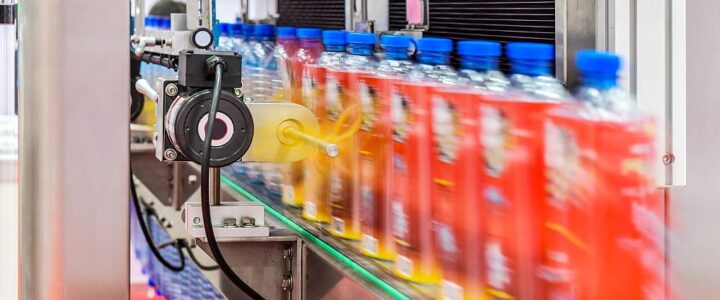
The automatic label applicator operates in the shadows of consumer consciousness, yet its influence permeates every aspect of modern commerce. Walk through any supermarket aisle, pharmacy, or retail outlet, and you encounter thousands of products bearing labels that were precisely positioned by these mechanical sentinels. Yet few consumers pause to consider the intricate systems that ensure each label adheres exactly where intended, carrying crucial information that shapes purchasing decisions and regulatory compliance.
The Invisible Infrastructure of Commerce
Behind every properly labelled bottle of medicine, every precisely positioned barcode on a food package, and every regulatory compliance sticker on consumer electronics lies a sophisticated network of automatic labelling machinery that forms the backbone of modern manufacturing. These systems represent more than mere convenience, they constitute essential infrastructure that enables global commerce to function at scale.
The modern label application system operates with a precision that borders on the obsessive. Consider the pharmaceutical industry, where a misaligned label could obscure critical dosage information or regulatory warnings. The margin for error approaches zero, demanding equipment that can maintain accuracy across hundreds of thousands of applications whilst adapting to variations in container shapes, sizes, and surface materials.
Regulatory Landscapes and Compliance Imperatives
The regulatory environment surrounding product labelling reveals the critical importance of automatic label applicators in ensuring compliance. In Singapore, authorities mandate comprehensive labelling standards across multiple industries. According to Singapore’s regulatory framework, “all food businesses offering prepacked food for sale in Singapore must comply with the Food Regulations, including the labelling requirements,” whilst medical devices must follow strict protocols where “the label should contain as much information as possible for the user to be able to identify and safely use the product.”
These requirements extend beyond mere information placement. The precision demanded by regulatory bodies necessitates equipment capable of consistent, repeatable performance. A single misaligned label can result in product recalls, regulatory sanctions, or worse, compromised consumer safety.
The Technology Behind Precision
Modern automated labelling equipment incorporates sophisticated technologies that would seem fantastical to manufacturers of previous generations. These systems typically integrate:
-
Vision systems that inspect label placement accuracy in real-time
-
Servo-driven applicator heads that adjust positioning with micrometre precision
-
Product detection sensors that trigger labelling sequences at optimal moments
-
Database integration capabilities that enable variable data printing and tracking
-
Multi-station configurations that apply multiple labels simultaneously
The orchestration of these technologies creates manufacturing environments where human intervention becomes minimal, yet human oversight remains essential. Each automatic labeller represents a convergence of mechanical engineering, electronics, and software that produces outcomes impossible through manual processes.
Economic Realities and Competitive Pressures
The economic implications of efficient Label Application Machinery extend far beyond initial capital investments:
-
Productivity gains of 300-500% compared to manual operations
-
Error reduction of up to 95% in labelling accuracy
-
Cost savings through reduced labour requirements and waste elimination
-
Compliance assurance that prevents costly recalls and regulatory sanctions
The pharmaceutical sector exemplifies these economic pressures most acutely, where automatic labelling equipment enables manufacturers to meet stringent regulatory requirements whilst maintaining commercial viability.
Industry Applications and Adaptations
The versatility of contemporary automatic labelling systems manifests across diverse sectors, each demanding specific adaptations:
- Beverage industry: Handles curved wine bottles, cylindrical cans, and varying container heights with wrap-around precision
- Cosmetics: Manages complex geometries and premium finishes requiring zero adhesive residue tolerance
- Pharmaceuticals: Operates in sterile environments whilst maintaining regulatory compliance precision
- Food packaging: Accommodates temperature-sensitive applications and variable product sizes
The Human Element in Automated Processes
Despite increasing automation, human expertise remains crucial in automatic label application systems. Operators must understand not only mechanical operation but also quality control protocols, material compatibility, and troubleshooting methodologies. The complexity of modern labelling equipment demands skilled technicians capable of maintaining precise calibration and identifying potential issues before they impact production.
Training programmes become strategic investments, as operators learn to interpret diagnostic information, adjust parameters for different products, and maintain the exacting standards required for regulatory compliance.
Emerging Challenges and Technological Evolution
The trajectory of labelling technology faces mounting pressures that demand innovative solutions:
- Environmental consciousness: Sustainable materials requiring modified application techniques
- Smart labelling: QR codes and RFID elements demanding precise positioning accuracy
- Industry 4.0 integration: Connectivity requirements transforming standalone equipment into networked components
- Regulatory evolution: Changing compliance standards necessitate equipment adaptability
Real-time data collection and predictive maintenance capabilities enable optimization previously impossible in traditional labelling systems.
Environmental and Sustainability Considerations
Environmental consciousness increasingly influences automatic labelling equipment design and operation:
- Sustainable materials: Accommodation of recyclable substrates and biodegradable label materials
- Energy efficiency: Advanced motors and application processes that reduce power consumption
- Waste reduction: Precision application that minimises material waste and rework
- Water-based adhesives: Adaptation to environmentally friendly bonding solutions
These considerations complicate equipment selection whilst creating opportunities for technological innovation in sustainable manufacturing.
The Integrated Future
The future of automatic label application technology points towards greater integration with upstream and downstream processes. Vision-guided positioning systems, artificial intelligence-driven quality control, and predictive maintenance capabilities promise to further enhance precision and reliability.
The convergence of labelling technology with other packaging processes creates opportunities for comprehensive automation solutions. Modern manufacturing facilities increasingly view labelling equipment not as standalone systems but as integral components of larger production ecosystems that include washing, filling, capping, and packaging operations.
As consumer demands for transparency, traceability, and sustainability intensify, the role of sophisticated labelling equipment becomes more critical. The precision, adaptability, and reliability of these systems will determine which manufacturers can navigate the complex landscape of modern commerce whilst maintaining competitive advantages in an increasingly demanding marketplace that depends entirely upon the reliable performance of the automatic label applicator.