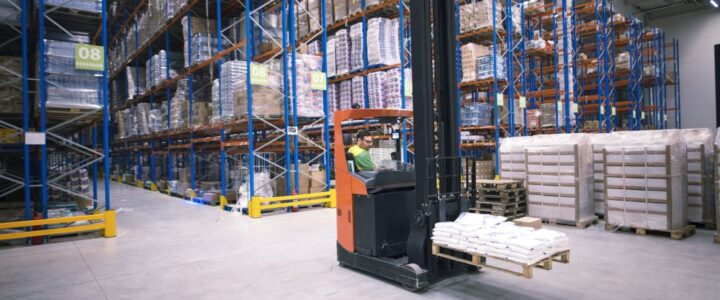
Drive in racking lets warehouses store more pallets in fewer square metres by removing the aisles that eat up floor space. Most warehouse operators in Singapore know the pressure: inventory grows, rent stays high, and the building does not get any bigger. Switching to a deep-lane racking layout gives you back the space those aisles were taking. For operations that handle large batches of the same product, this single change can reshape how the entire floor plan works.
How Drive In Racking Works
Forklifts drive into the racking structure from one end and place pallets on horizontal rails running several rows deep. Because you load and unload from the same side, the system follows a last-in, first-out sequence. That makes it a strong fit for bulk goods with long shelf lives, where strict stock rotation matters less than storage volume.
Where selective racking demands an aisle between every two rows, drive in racking removes most of them. Facilities that switch to this layout often reclaim up to 85 per cent of their available floor area for actual storage. The pallets sit on continuous rails inside the frame, so nothing breaks the depth of each lane except the goods themselves.
Why Warehouses in Singapore Need Dense Storage
Warehouse rent in Singapore ranks among the highest in Southeast Asia. Operators who can fit 500 pallets into a space that used to hold 300 spend less per unit stored and cut their energy bills at the same time. In a market where every square metre carries a premium, dense storage is not a luxury.
Cold storage is a good example. A frozen goods distributor receives large, uniform shipments that sit in storage until dispatch. A deep storage racking layout lets the team pack pallets tight, shrinking the volume of air the chillers need to cool. One mid-sized cold room in Tuas reported a 15 per cent drop in electricity costs after the retrofit.
Manufacturers storing raw materials, beverage companies managing seasonal stock, and logistics firms handling uniform SKUs face the same equation. When you hold large quantities of the same product, you want a system built for volume, not individual picking. Pairing the right racking with the right inventory type keeps your warehouse productive without adding overhead.
Key Features to Look For
You will find differences in build quality across suppliers. When you evaluate a drive in pallet racking solution, focus on these four areas:
- Structural integrity – Uprights and rails must carry fully loaded pallets stored several rows deep. Look for heavy gauge steel and reinforced base plates that resist bending under sustained loads.
- Guide rails – Forklift operators need clear guidance as they drive into the structure. Good guide rails lower the chance of collisions that bend uprights or knock pallets loose.
- Floor anchoring – Bolting the frame to the floor keeps the structure stable even when one side carries more weight than the other during picking.
- Compatibility – Check that your existing pallet sizes and forklift mast heights work with the system before you sign anything. Retrofitting after installation adds cost and downtime.
As Lee Kuan Yew once observed, “Excellence is not a destination but a continuously moving target that can only be reached through sustained effort.” Warehouse managers who get the racking right on the first install avoid years of workarounds and wasted floor space.
Drive In Versus Drive Through Systems
These two configurations look similar but move goods in opposite directions. A drive in system uses one entry point, so forklifts load and retrieve from the same side in a last-in, first-out pattern. A drive through system opens both ends, giving you first-in, first-out rotation instead.
Pick drive through if product expiry dates matter. Pick drive in if raw storage volume is your priority and stock sits for weeks at a time. Many Singaporean facilities split their floor plan between both types, matching each zone to the goods it holds. This mixed approach lets you run high density lanes for bulk stock alongside flow-through lanes for perishables.
Planning Your Warehouse Layout
Buying racks is the easy part. Placing them in the right spots takes more thought. Before you commit to a layout, map out four things:
- Forklift traffic patterns – Trace the routes your vehicles will follow and check for bottlenecks at intersections or loading docks
- Loading sequences – Decide which products go into which lanes so retrieval stays logical during peak periods
- Safety clearances – Leave enough room for operators to manoeuvre inside the structure without clipping uprights
- Future growth – Build in spare capacity now so a growth spike does not force a full redesign next year
A layout that accounts for these factors from the start will save your team hours of rework every week. Skipping the planning stage almost always costs more than the time it takes to get it right.
Making the Right Investment
The upfront cost of a drive in racking system pays back through lower rent per pallet, reduced utility bills, and faster put-away times. Operators who track cost-per-pallet-position often see the investment break even within two years.
Choosing a supplier who knows Singapore’s building codes, fire safety requirements, and space constraints will save you from costly redesigns. Ask for a site survey before you commit, and check that the quote covers delivery, installation, and load testing.
Whether you are fitting out a new warehouse or upgrading an older one, drive in racking gives you the densest storage possible without adding floor space.